What are the Best Foods for IBS? Understanding the IBS Types
The best foods to eat for IBS involve a nuanced approach tailored to your specific symptoms, focusing on soothing gut inflammation, supporting beneficial gut bacteria, and managing triggers that exacerbate either constipation or diarrhea. This means moving beyond generic "healthy eating" advice and diving into what your unique gut actually needs.
Picture this with me…
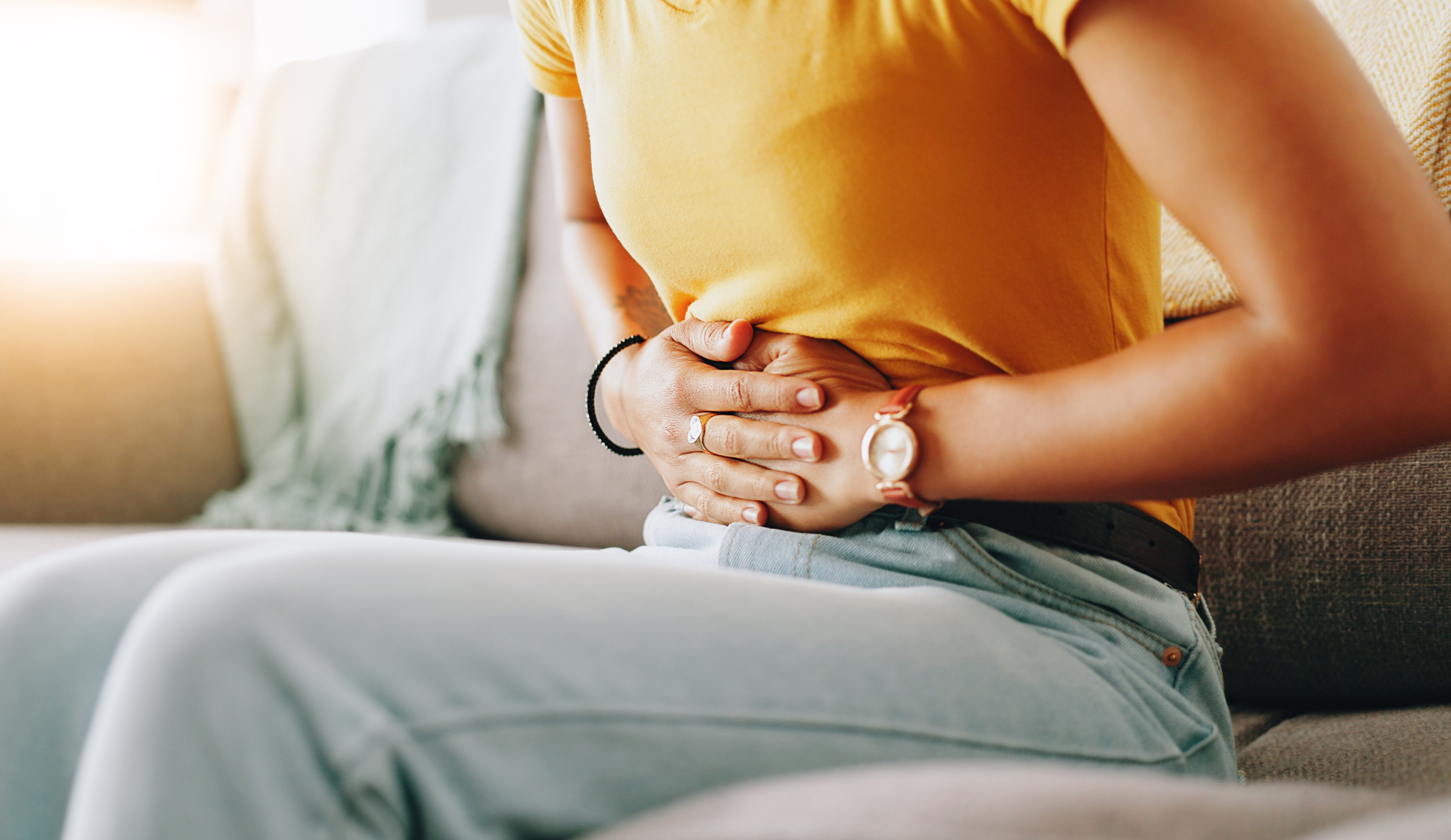
You've just finished another dinner, something "safe" you meticulously prepared, probably involving plain chicken and steamed broccoli. Now, you’re sitting on the couch, unbuttoning your jeans because the bloat has arrived, right on schedule. It’s not just a little discomfort; it’s that full, hard, visible distension that makes you feel like you’re carrying a bowling ball in your abdomen. You look five months pregnant, even though you know you’re not. Maybe you're bracing for the familiar, gnawing ache of constipation, praying for any relief. Or perhaps you're already anticipating the frantic dash to the bathroom, wondering how a meal you just ate can cause such immediate, explosive chaos.
This isn't "just stress," and it’s certainly not in your head. Your gut is sending you very clear, very loud signals. For many women in their 30s, 40s, and beyond, this daily dance with Irritable Bowel Syndrome (IBS) symptoms — the unpredictable swings between feeling completely blocked up and desperately needing to find a toilet, the persistent bloating that makes you want to live in sweatpants, the brain fog that descends after a meal — becomes a frustrating, isolating routine. You’ve tried the elimination diets, the probiotics, the fiber supplements, all with varying degrees of temporary relief or, worse, new symptoms. You're exhausted from playing detective with your own body, trying to figure out what tiny trigger food is going to send you spiraling next.
This isn’t about willpower; it’s about understanding your unique biology. Your body isn't broken; it's working with incomplete information, or perhaps, reacting to advice that wasn't designed for your specific gut. When it comes to managing IBS, a one-size-fits-all approach to diet is often why you’ve felt so defeated. The truth is, the best foods to eat for IBS are highly individualized, especially when distinguishing between constipation-prone IBS (IBS-C) and diarrhea-prone IBS (IBS-D).
Understanding Your IBS Type: Why It Matters for Your IBS Diet Changes
Before you even think about specific foods, it’s crucial to acknowledge that IBS isn't a monolith. It comes in different flavors, and treating them all the same is like trying to fix a leaky faucet with a hammer – you might make things worse. The main subtypes are:
- IBS-C (Constipation-Predominant): Your primary complaint is constipation. This often means infrequent bowel movements, difficulty passing stools, straining, and a feeling of incomplete evacuation. You might also experience significant bloating and abdominal pain.
- IBS-D (Diarrhea-Predominant): Your main issue is diarrhea. This involves frequent loose stools, urgency, and often abdominal pain that is relieved by a bowel movement.
- IBS-M (Mixed/Alternating): You experience both constipation and diarrhea, often cycling between the two.
Why is this distinction so important for your IBS diet changes? Because a food that helps ease constipation might send someone with IBS-D straight to the bathroom, and vice versa. It’s the difference between adding a lubricant to a sticky gear and trying to stop a runaway train with the same tool.
Most conventional advice, like "just eat more fiber," often falls flat because it doesn't account for these differences. For some, more fiber is a miracle; for others, it's a fast track to more bloating and discomfort. We're not chasing symptoms here; we're hunting causes and customizing solutions.
Best Foods to Eat for IBS-C: Getting Things Moving Gently
If your gut feels like a backed-up highway, with traffic at a standstill and abdominal pain that intensifies throughout the day, you're likely dealing with IBS-C. Your goal here is to encourage regular, comfortable bowel movements without triggering excessive gas or bloating.
Soluble Fiber-Rich Foods for Constipation-Prone IBS
Soluble fiber absorbs water and forms a gel-like substance, softening stool and making it easier to pass. It's often better tolerated than insoluble fiber, which can sometimes be too harsh for a sensitive IBS gut.
- Aloe Juice- aloe juice can be very healing to the whole GI system. This is my go-to for many IBS-C clients.
- Prunes- my other go to after aloe juice! Start with one and then increase as needed.
- Flaxseeds (ground): ground flaxseeds offer soluble fiber and a boost of omega-3s. Add a tablespoon to smoothies or sprinkle on non-triggering yogurt.
- Specific Fruits: kiwi, oranges, cantaloupe, strawberries, blueberries. These are generally lower in fermentable carbs (FODMAPs) and provide gentle fiber.
- Root Vegetables: Carrots, parsnips, sweet potatoes. Cooked until very tender, these can be good options.
Remember, hydration is critical when increasing fiber. Think of it like trying to move a boat without enough water in the canal – it’s just going to get stuck.
Probiotic-Rich Foods & Fluids for IBS-C Support
Beyond fiber, incorporating certain probiotic-rich foods can help balance your gut microbiome, which often plays a role in constipation.
- Kefir or Lactose-Free Yogurt: These fermented dairy products contain beneficial bacteria. Start with small amounts to assess tolerance. Look for plain, unsweetened versions.
- Bone Broth: While not probiotic-rich, bone broth is packed with collagen and amino acids like glutamine, which can help soothe and repair the gut lining, making it less reactive and improving motility.
- Warm Water with Lemon: A simple ritual, but for some, the warmth and acidity can gently stimulate bowel movements first thing in the morning.
One client, Sarah, a 42-year-old marketing executive, came to me utterly defeated. She’d been chronically constipated for years, often going 4-5 days without a bowel movement, leading to severe bloating and mood swings. Her doctor told her "it was just IBS" and handed her a prescription for a laxative, which she hated. We started by ditching highly processed foods and slowly introducing ground flaxseeds, along with aloe juice and prunes while significantly increasing her water intake and incorporating gentle movement. Within weeks, she was having a bowel movement almost daily, her bloating dramatically reduced, and she finally felt like her body was cooperating instead of constantly fighting her.
Best Foods to Eat for IBS-D: Calming the Storm
If your gut feels like a turbulent ocean, with unpredictable waves of urgency and sudden dashes to the bathroom, you're likely grappling with IBS-D. Here, the focus shifts to reducing gut motility, firming up stools, and identifying common triggers that accelerate bowel movements.
Low FODMAP Fruits and Vegetables for Diarrhea-Prone IBS
FODMAPs (Fermentable Oligosaccharides, Disaccharides, Monosaccharides, and Polyols) are types of carbohydrates that can be poorly absorbed in the small intestine, leading to fermentation by gut bacteria and causing gas, bloating, and diarrhea in sensitive individuals. A low-FODMAP diet is often used to identify triggers, but it's not meant to be a long-term solution.
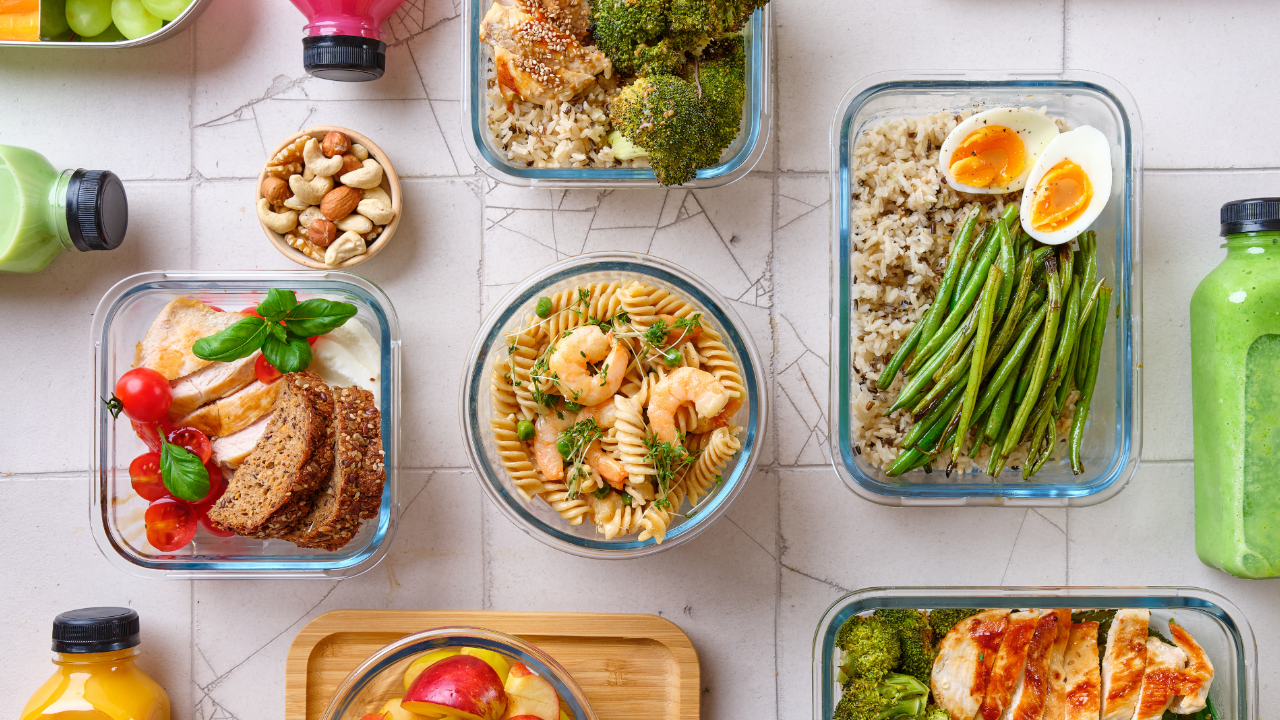
- Lean Proteins: Chicken, turkey, fish, and eggs are generally well-tolerated and provide essential nutrients without adding bulk or fermentable carbs.
- Low-FODMAP Vegetables: Carrots, spinach, zucchini, bell peppers (red or yellow), green beans. Cooked, not raw, can be easier to digest for some.
- Low-FODMAP Fruits: Bananas (ripe), blueberries, raspberries, oranges, grapes.
- White Rice or Gluten-Free Grains: Small portions of plain white rice, quinoa, or gluten-free oats can provide energy without triggering symptoms.
- Plain Starches: Boiled potatoes, sweet potatoes (in moderation, as they can be higher in FODMAPs in larger quantities).
- Ginger: Known for its anti-inflammatory properties, ginger can help calm digestive upset. Try ginger tea or add fresh ginger to meals.
The key here is small, frequent meals rather than large ones, which can overstimulate the gut.
Avoiding Common Triggers for Diarrhea-Prone IBS
This is where individual detective work comes in. While the low-FODMAP diet is a great tool for identifying triggers, here are some common culprits for IBS-D:
- Caffeine: Coffee, energy drinks, and even some teas can act as gut stimulants.
- Alcohol: Especially beer and sugary mixed drinks.
- Spicy Foods: Capsaicin can irritate the gut lining.
- High-Fat Foods: Fried foods, greasy meats, and heavy sauces can increase gut contractions.
- Artificial Sweeteners: Sorbitol, mannitol, xylitol are often used in sugar-free products and can have a laxative effect.
- Lactose: Many people with IBS-D also have lactose intolerance. Try lactose-free dairy alternatives.
- Fructose: High-fructose corn syrup in processed foods and some fruits can be problematic.
For Maria, a busy teacher in her mid-30s, IBS-D meant constant anxiety about finding a bathroom, especially when out with friends or on field trips. She was practically living on anti-diarrhea medication. After using functional lab testing to uncover underlying gut imbalances and then carefully implementing a gut healing protocol, we also discovered her biggest triggers were garlic, onions, and certain fruits. Armed with this knowledge, she could confidently choose what to eat for an IBS flare-up, leading to significantly fewer episodes and a massive improvement in her quality of life. She could finally enjoy a meal out without immediately scanning for the nearest exit.
Natural Solutions to IBS Beyond Just Food
While diet is a cornerstone, a root-cause approach means looking at the whole picture. Your gut isn't an isolated organ; it's intricately connected to your hormones, your stress levels, and even your thoughts.
Stress Management for IBS
The gut-brain axis is real. Chronic stress can exacerbate IBS symptoms, regardless of your subtype. When your nervous system is in "fight or flight," digestion often takes a backseat, leading to either slowdown (constipation) or acceleration (diarrhea).
- Mindful Eating: Slow down, chew your food thoroughly, and pay attention to your body’s signals. This simple practice can make a huge difference.
- Deep Breathing Exercises: Just 5-10 minutes a day can shift your nervous system into a more relaxed state.
- Gentle Movement: Walking, yoga, stretching. Not intense cardio, which can sometimes be too stimulating for a sensitive gut.
- Prioritize Sleep: Poor sleep impacts gut motility and inflammation. Aim for 7-9 hours of quality sleep.
Hydration and Movement for Gut Health
Often overlooked, these fundamental elements are critical for healthy digestion.
- Water, Water, Water: Aim for at least half your body weight in ounces daily. It's essential for stool consistency and nutrient absorption.
- Regular, Gentle Movement: Even a 20-minute walk after meals can help stimulate gut motility and reduce bloating. For IBS-C, it literally helps move things along. For IBS-D, it can help regulate the nervous system.

The Role of Functional Lab Testing for IBS
IBS is often diagnosed by ruling out other conditions. But "IBS" itself is a syndrome, not a specific disease, which means it’s a collection of symptoms. For many women, what presents as IBS is actually a symptom of something deeper: SIBO (Small Intestinal Bacterial Overgrowth), dysbiosis (an imbalance of gut bacteria), leaky gut, parasites, or even underlying hormonal imbalances.
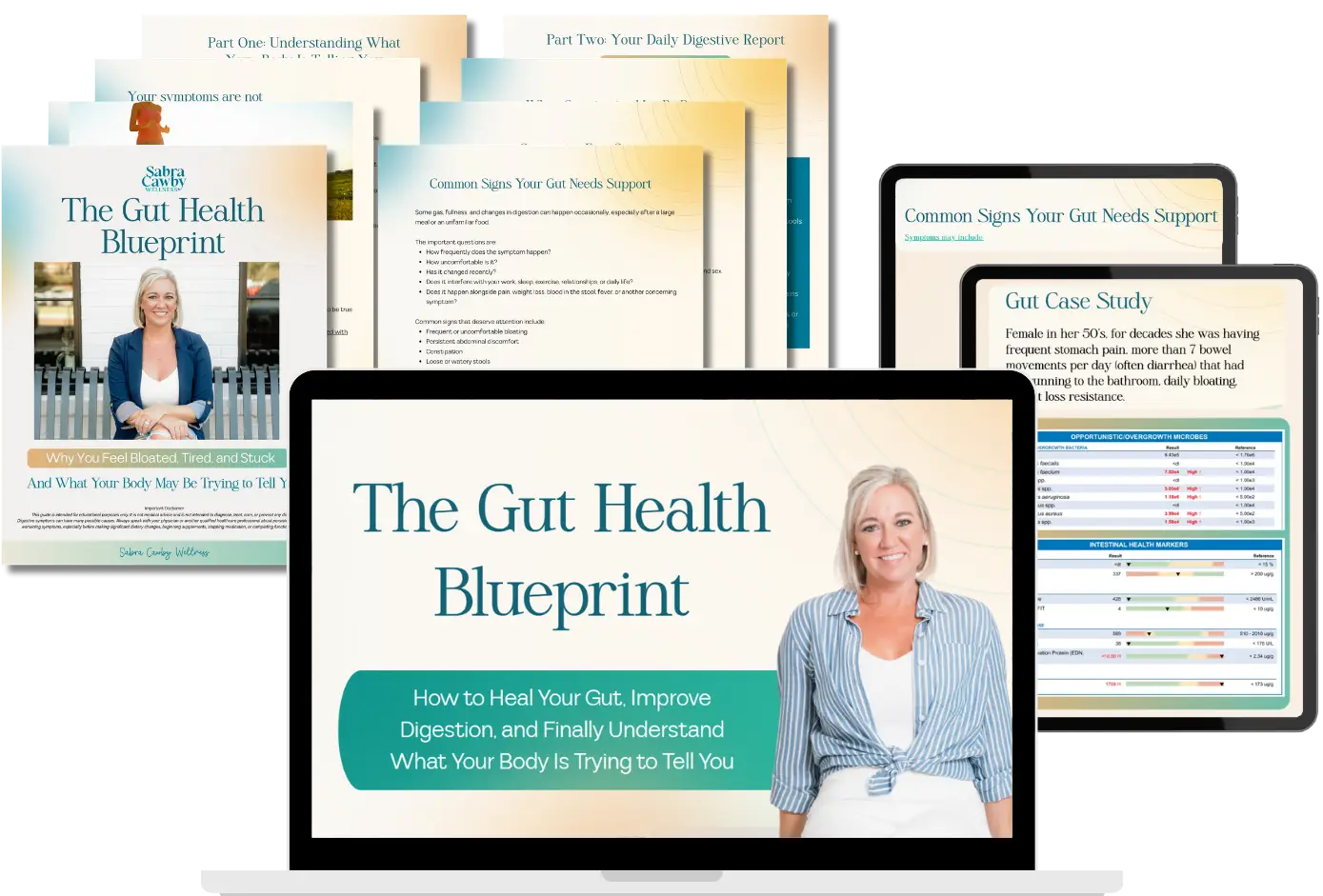
Traditional medicine often doesn't dig into these underlying causes. This is where a functional root cause approach shines. Instead of just managing symptoms with medication or generic advice, we investigate why your gut is acting up. Through functional lab testing — specialized hormone testing, mold testing, genetic testing, and comprehensive GI testing — we can pull back the curtain and pinpoint the exact imbalances in your body. This precision is the difference between blindly guessing at diet changes and having a clear roadmap.
This is exactly what I do with women and men in my gut healing program with Functional Root Cause Testing. We move beyond the guesswork and get to the real reasons your body isn't cooperating. It’s about finally understanding your body, healing your gut, and getting your energy back, so you can enjoy food without fear and live without the constant anxiety of your digestive system. If you're ready to stop guessing and start healing, finding a nutritionist for gut health who understands this approach is your next step.
Navigating Your IBS Journey: A Path to Breakthrough
Living with IBS can feel like a life sentence of discomfort and restriction. But it doesn't have to be. By understanding your specific IBS type, carefully choosing the best foods to eat for IBS-C or IBS-D, addressing underlying triggers through functional testing, and incorporating lifestyle shifts, you can find significant relief.
The journey to a happy gut might feel like a winding road, but with the right guidance, it’s a journey that leads to profound shifts. It leads to days where your jeans button comfortably all day, where you eat a meal and don't immediately plan your escape route, and where your energy doesn't plummet after every bite. It’s about moving from feeling like your body is permanently malfunctioning to finally feeling at home in your own skin again.
Ready to explore what's truly going on beneath the surface of your gut issues? Take my Gut Quiz to pinpoint where your gut health might be struggling, and discover personalized insights that could change everything.
FAQ: Your IBS Diet Questions Answered
What are common IBS flare-up foods to avoid?
Common IBS flare-up foods often include high-FODMAP items like onions, garlic, certain fruits (apples, pears), dairy (for lactose intolerance), gluten, artificial sweeteners, and highly processed or fatty foods. Spicy foods, caffeine, and alcohol can also be significant triggers, especially for IBS-D.
How long does it take for IBS diet changes to show results?
Many people notice improvements in symptoms within a few days to a few weeks after implementing targeted IBS diet changes, especially with a strict elimination phase like a low-FODMAP diet. However, true root-cause healing and symptom stability can take several months as the gut microbiome rebalances.
Can probiotics help with IBS?
Yes, certain strains of probiotics can help with IBS symptoms. Specific strains are beneficial for IBS-C (e.g., Bifidobacterium lactis DN-173 010 for motility) and others for IBS-D (e.g., Lactobacillus plantarum 299v for pain and bloating). It's crucial to choose the right strain and dose for your specific symptoms. I prefer to test the gut first before adding in probiotics.
Should I cut out gluten for IBS?
Not everyone with IBS needs to cut out gluten. However, some individuals with IBS experience symptom relief on a gluten-free diet, even without a celiac diagnosis. This is often due to the fructans (a type of FODMAP) found in wheat, not necessarily the gluten protein itself. An elimination trial under guidance can help determine if gluten is a trigger for you.
What are some natural solutions to IBS beyond diet?
Beyond specific foods, natural solutions to IBS include stress management techniques (meditation, deep breathing), regular gentle exercise, ensuring adequate hydration, prioritizing quality sleep, and utilizing targeted supplements (like peppermint oil or digestive enzymes) as needed. Addressing underlying gut infections or imbalances through functional testing is also a key natural solution.
 Sabra Cawby
Functional Nutritionist for Gut Health
Sabra Cawby helps women heal their gut, improve hormone health, lose weight, and feel their best through root-cause functional nutrition for gut health.